Buy network-marketing.eu ?
We are moving the project
network-marketing.eu .
Are you interested in purchasing the domain
network-marketing.eu ?
domain@kv-gmbh.de · 0541-91531010
Buy network-marketing.eu ?
How much does an astronomer earn?
The salary of an astronomer can vary depending on factors such as experience, education, location, and the specific field of astronomy they work in. On average, astronomers in the United States earn a median salary of around $114,590 per year, according to the Bureau of Labor Statistics. However, astronomers with advanced degrees and extensive experience can earn significantly more, with some earning salaries well over $150,000 per year. **
How do I become an astronomer?
To become an astronomer, you typically need to earn a bachelor's degree in astronomy, physics, or a related field. After completing your undergraduate studies, you may choose to pursue a master's or doctoral degree in astronomy to further specialize in the field. It's also important to gain research experience through internships or working in a laboratory. Additionally, networking with professionals in the field and staying updated on the latest developments in astronomy can help you establish a successful career as an astronomer. **


Similar search terms for Astronomer
Top-Angebote
Products related to Astronomer:
-
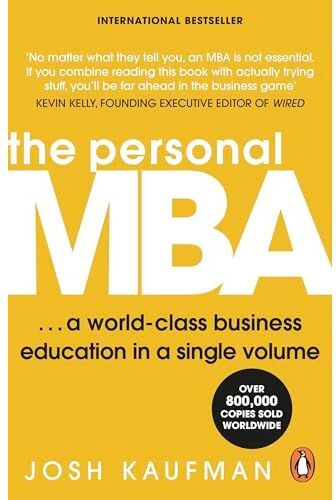
Penguin The Personal MBA: The bestselling business book containing you everything you need to know about marketing, management and leadershipARE YOU TEMPTED TO GO TO BUSINESS SCHOOL? SAVE YOUR MONEY AND READ THE PERSONAL MBA INSTEAD. This bestselling business classic gives you everything you need to transform your business and your career. An MBA at a top business school is an enormous investment in time and cash. And if you don't want to work for a consulting firm or an investment bank, the chances are it simply isn't worth it. The Personal MBA gives you simple mental models for every subject that's key to commercial success. From the basics of products and marketing to the nuances of teamwork and systems, this book distils everything you need to know to take on the MBA graduates and win.10,99 £*Shipping: 2,99 £Secure redirect to the provider
-
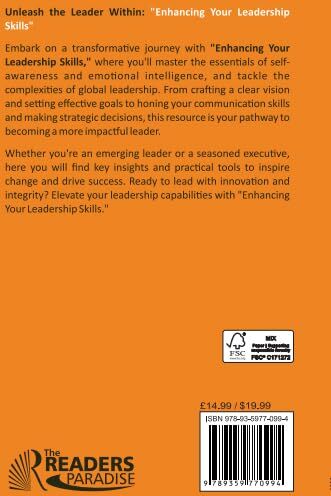
The Readers Paradise Enhancing Your Leadership Skills: A Practical Handbook for Success by Prof. V.K.Simon - Non Fiction Paperback - Leadership & Professional DevelopmentEnhance your leadership skills with this practical handbook by Prof. V.K.Simon. Written for anyone looking to lead with confidence and clarity, it blends self-awareness, emotional intelligence, and real-world strategy to help you achieve success. Whether you're a first-time manager or a seasoned executive, this compact guide delivers tools to strengthen decision-making, communication, and team impact in a fast-changing global workplace. It's built around the idea that great leadership is learned through practice, not theory alone, and covers the core competencies every effective leader needs, starting with self-awareness and emotional intelligence.2,99 £*Shipping: 2,99 £Secure redirect to the provider
-
John Murray Rob Moore 3 Book Set – I’m Worth More, Start Now Get Perfect Later & Opportunity Success CollectionI'm Worth More In this fascinating, liberating book bestselling author Rob Moore takes you back to basics and examines how to realize your real value - your self-esteem, your ambitions, your reputation and your income. No longer will you doubt yourself, make self-defeating comparisons or make assumptions about how others see you - instead you will maximize your opportunities and love yourself for who you really are. Start Now. Get Perfect Later Hardly anyone gets it right the first time, but many of us are crippled by indecision and fear of failure. The desire to get it right can inhibit us from getting started. In this book Rob Moore, the bestselling author of MONEY, shows that the quickest way to perfect is starting right now and improving as you go. This book will show you how to launch your business or idea, begin the next phase of your career, and overcome self-doubt - right away. Get perfect later, get started NOW. Opportunity: Seize The Day. Win At Life This book is not about waiting for an opportunity that might never come. It's a book for right now containing ideas and strategies that can be employed right away, and will ensure that you attract opportunities, whether big or small, all the time.Successful people are sometimes lucky - but most of all they find success because they have trained their minds to identify great opportunities and make the most of them when they arrive, rather than freezing with uncertainty or lacking the vision to see them through.12,99 £*Shipping: 2,99 £Secure redirect to the provider
-
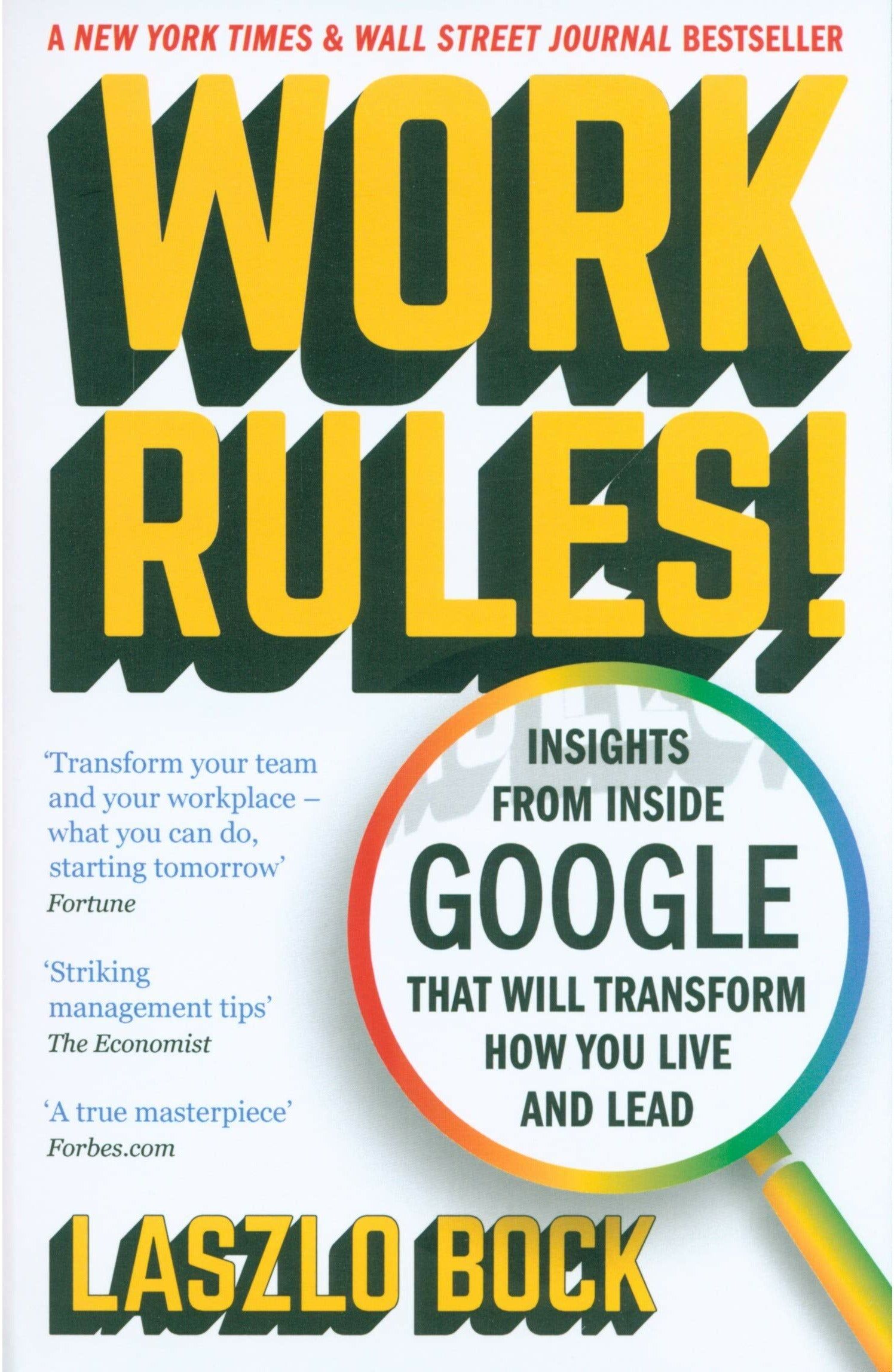
John Murray Work Rules! by Laszlo Bock – Insights from Google on Leadership & Workplace SuccessWork Rules!: Insights from Inside Google That Will Transform How You Live and Lead by Laszlo Bock 'Every year, 2 million people apply for a job at Google - so what's the secret?' Guardian A compelling manifesto with the potential to change how we work and live, Work Rules! offers both a philosophy of the new world of work and a blueprint for attracting the most spectacular talent and ensuring the brightest and best prosper. The way we work is changing - are you?1,99 £*Shipping: 1,99 £Secure redirect to the provider

-
What is the salary of a cosmologist/astronomer?
The salary of a cosmologist or astronomer can vary depending on factors such as experience, education, location, and employer. On average, a cosmologist or astronomer in the United States can expect to earn a salary ranging from $60,000 to $150,000 per year. Those with advanced degrees and significant experience may earn salaries at the higher end of this range, while entry-level positions or roles in academia may offer salaries at the lower end. **
-
What degree is needed to become an astronomer?
To become an astronomer, a Ph.D. in astronomy or a related field is typically required. This advanced degree provides the necessary knowledge and skills to conduct research, analyze data, and contribute to the field of astronomy. Some astronomers may also have undergraduate and/or master's degrees in physics, astrophysics, or a related discipline to build a strong foundation in the field. Additionally, gaining research experience through internships or working in observatories can be beneficial for aspiring astronomers. **
-
What does one need to become an astronomer?
To become an astronomer, one typically needs to have a strong foundation in mathematics and physics, as these are essential for understanding the principles of astronomy. A bachelor's degree in astronomy, physics, or a related field is usually required, and many astronomers go on to earn a master's or doctoral degree in astronomy or astrophysics. Additionally, gaining research experience through internships or working in a laboratory setting can be beneficial for aspiring astronomers. Strong critical thinking and problem-solving skills, as well as a passion for exploring the mysteries of the universe, are also important qualities for those pursuing a career in astronomy. **
-
What subjects are needed to become an astronomer?
To become an astronomer, it is important to have a strong foundation in mathematics, physics, and computer science. These subjects are essential for understanding the complex calculations and theories involved in astronomy. Additionally, courses in astronomy, astrophysics, and cosmology are also necessary to gain a deep understanding of the field. It is also beneficial to have a strong background in chemistry and earth sciences to understand the composition of celestial bodies and their interactions with each other. **


What is the daily life of an astronomer like?
The daily life of an astronomer typically involves a combination of research, data analysis, writing papers, attending meetings and conferences, and teaching or mentoring students. Astronomers spend a significant amount of time using telescopes to observe celestial objects, analyzing data to make new discoveries, and collaborating with colleagues on research projects. They may also spend time writing grant proposals to secure funding for their research and communicating their findings to the public through talks and publications. Overall, the life of an astronomer is intellectually stimulating and involves a mix of independent work and collaboration with others in the field. **
What grade point average do I need to start a training as an astronomer?
To start a training as an astronomer, you typically need a strong academic background in mathematics, physics, and other related sciences. While specific requirements may vary by institution, a competitive grade point average (GPA) of around 3.0 or higher is often recommended for undergraduate programs in astronomy or astrophysics. However, some programs may have more stringent GPA requirements, so it's important to research the specific admissions criteria for the schools you are interested in attending. Additionally, demonstrating a passion for astronomy through extracurricular activities, research experience, and strong letters of recommendation can also strengthen your application. **
Top-Angebote
Products related to Astronomer:
-
John Murray Opportunity: Seize the Day, Win at Life by Rob Moore – Success & Mindset GuideAre you waiting for that once-in-a-lifetime opportunity to change your life, change your business or change the world? How will you know when it comes? How will you be sure you're ready? This book is not about waiting for an opportunity that might never come. It's a book for right now containing mployed right away, and will ensure that you attract opportunities, whether big or small, all the time. Successful people are sometimes lucky - but most of all they find success because they have trained their minds to identify great opportunities and make the most of them when they arrive, rather than freezing with uncertainty or lacking the vision to see them through. In this book Rob Moore, the bestselling author of MONEY, START NOW. GET PERFECT LATER and I'M WORTH MORE shows you how to elevate your emotional intelligence and decision making to ensure that when opportunity strikes you are ready to take advantage, seize the day, and win at life. When Opportunity knocks, you'll be ready.4,99 £*Shipping: 1,99 £Secure redirect to the provider
-
William Collins Collins Business Secrets 10 Books Collection Box Set - Various Authors - Paperback - Leadership, Finance, Marketing & Management GuidesThe Collins Business Secrets 10 Books Collection Box Set brings together ten pocket-sized guides from the trusted Collins Business Secrets series, each written by a specialist author. Covering communication, finance, leadership, management, marketing, negotiating, people management, presentations, project management, and selling, this brand new paperback set distills practical, jargon-free advice into quick, digestible reads. Ideal for professionals, managers, and students, it's a ready-made business library that fits neatly on a shelf and makes a thoughtful gift.14,99 £*Shipping: 2,99 £Secure redirect to the provider
-
Penguin The Personal MBA: The bestselling business book containing you everything you need to know about marketing, management and leadershipARE YOU TEMPTED TO GO TO BUSINESS SCHOOL? SAVE YOUR MONEY AND READ THE PERSONAL MBA INSTEAD. This bestselling business classic gives you everything you need to transform your business and your career. An MBA at a top business school is an enormous investment in time and cash. And if you don't want to work for a consulting firm or an investment bank, the chances are it simply isn't worth it. The Personal MBA gives you simple mental models for every subject that's key to commercial success. From the basics of products and marketing to the nuances of teamwork and systems, this book distils everything you need to know to take on the MBA graduates and win.10,99 £*Shipping: 2,99 £Secure redirect to the provider
-
The Readers Paradise Enhancing Your Leadership Skills: A Practical Handbook for Success by Prof. V.K.Simon - Non Fiction Paperback - Leadership & Professional DevelopmentEnhance your leadership skills with this practical handbook by Prof. V.K.Simon. Written for anyone looking to lead with confidence and clarity, it blends self-awareness, emotional intelligence, and real-world strategy to help you achieve success. Whether you're a first-time manager or a seasoned executive, this compact guide delivers tools to strengthen decision-making, communication, and team impact in a fast-changing global workplace. It's built around the idea that great leadership is learned through practice, not theory alone, and covers the core competencies every effective leader needs, starting with self-awareness and emotional intelligence.2,99 £*Shipping: 2,99 £Secure redirect to the provider
-
How much does an astronomer earn?
The salary of an astronomer can vary depending on factors such as experience, education, location, and the specific field of astronomy they work in. On average, astronomers in the United States earn a median salary of around $114,590 per year, according to the Bureau of Labor Statistics. However, astronomers with advanced degrees and extensive experience can earn significantly more, with some earning salaries well over $150,000 per year. **
-
How do I become an astronomer?
To become an astronomer, you typically need to earn a bachelor's degree in astronomy, physics, or a related field. After completing your undergraduate studies, you may choose to pursue a master's or doctoral degree in astronomy to further specialize in the field. It's also important to gain research experience through internships or working in a laboratory. Additionally, networking with professionals in the field and staying updated on the latest developments in astronomy can help you establish a successful career as an astronomer. **
-
What is the salary of a cosmologist/astronomer?
The salary of a cosmologist or astronomer can vary depending on factors such as experience, education, location, and employer. On average, a cosmologist or astronomer in the United States can expect to earn a salary ranging from $60,000 to $150,000 per year. Those with advanced degrees and significant experience may earn salaries at the higher end of this range, while entry-level positions or roles in academia may offer salaries at the lower end. **
-
What degree is needed to become an astronomer?
To become an astronomer, a Ph.D. in astronomy or a related field is typically required. This advanced degree provides the necessary knowledge and skills to conduct research, analyze data, and contribute to the field of astronomy. Some astronomers may also have undergraduate and/or master's degrees in physics, astrophysics, or a related discipline to build a strong foundation in the field. Additionally, gaining research experience through internships or working in observatories can be beneficial for aspiring astronomers. **
Similar search terms for Astronomer
-
John Murray Rob Moore 3 Book Set – I’m Worth More, Start Now Get Perfect Later & Opportunity Success CollectionI'm Worth More In this fascinating, liberating book bestselling author Rob Moore takes you back to basics and examines how to realize your real value - your self-esteem, your ambitions, your reputation and your income. No longer will you doubt yourself, make self-defeating comparisons or make assumptions about how others see you - instead you will maximize your opportunities and love yourself for who you really are. Start Now. Get Perfect Later Hardly anyone gets it right the first time, but many of us are crippled by indecision and fear of failure. The desire to get it right can inhibit us from getting started. In this book Rob Moore, the bestselling author of MONEY, shows that the quickest way to perfect is starting right now and improving as you go. This book will show you how to launch your business or idea, begin the next phase of your career, and overcome self-doubt - right away. Get perfect later, get started NOW. Opportunity: Seize The Day. Win At Life This book is not about waiting for an opportunity that might never come. It's a book for right now containing ideas and strategies that can be employed right away, and will ensure that you attract opportunities, whether big or small, all the time.Successful people are sometimes lucky - but most of all they find success because they have trained their minds to identify great opportunities and make the most of them when they arrive, rather than freezing with uncertainty or lacking the vision to see them through.12,99 £*Shipping: 2,99 £Secure redirect to the provider
-
John Murray Work Rules! by Laszlo Bock – Insights from Google on Leadership & Workplace SuccessWork Rules!: Insights from Inside Google That Will Transform How You Live and Lead by Laszlo Bock 'Every year, 2 million people apply for a job at Google - so what's the secret?' Guardian A compelling manifesto with the potential to change how we work and live, Work Rules! offers both a philosophy of the new world of work and a blueprint for attracting the most spectacular talent and ensuring the brightest and best prosper. The way we work is changing - are you?1,99 £*Shipping: 1,99 £Secure redirect to the provider
-
Various Publishers Day Trading Attention & Dare to Lead by Gary Vaynerchuk & Brené Brown - 2 Book Set - Mixed Format - Marketing & Leadership Business BooksThis two-book bundle pairs Gary Vaynerchuk's Day Trading Attention and Brené Brown's Dare to Lead. Day Trading Attention sharpens your social media marketing instincts for a fast-changing digital landscape, while Dare to Lead builds courageous leadership skills for guiding teams through uncertainty. Together they offer a rounded toolkit for anyone building a brand, a business, or a career, blending practical marketing tactics with research-backed leadership insight. The books are in a mixed format, consisting of hardback and paperback editions, and are brand new.11,99 £*Shipping: 2,99 £Secure redirect to the provider
-
What does one need to become an astronomer?
To become an astronomer, one typically needs to have a strong foundation in mathematics and physics, as these are essential for understanding the principles of astronomy. A bachelor's degree in astronomy, physics, or a related field is usually required, and many astronomers go on to earn a master's or doctoral degree in astronomy or astrophysics. Additionally, gaining research experience through internships or working in a laboratory setting can be beneficial for aspiring astronomers. Strong critical thinking and problem-solving skills, as well as a passion for exploring the mysteries of the universe, are also important qualities for those pursuing a career in astronomy. **
-
What subjects are needed to become an astronomer?
To become an astronomer, it is important to have a strong foundation in mathematics, physics, and computer science. These subjects are essential for understanding the complex calculations and theories involved in astronomy. Additionally, courses in astronomy, astrophysics, and cosmology are also necessary to gain a deep understanding of the field. It is also beneficial to have a strong background in chemistry and earth sciences to understand the composition of celestial bodies and their interactions with each other. **
-
What is the daily life of an astronomer like?
The daily life of an astronomer typically involves a combination of research, data analysis, writing papers, attending meetings and conferences, and teaching or mentoring students. Astronomers spend a significant amount of time using telescopes to observe celestial objects, analyzing data to make new discoveries, and collaborating with colleagues on research projects. They may also spend time writing grant proposals to secure funding for their research and communicating their findings to the public through talks and publications. Overall, the life of an astronomer is intellectually stimulating and involves a mix of independent work and collaboration with others in the field. **
-
What grade point average do I need to start a training as an astronomer?
To start a training as an astronomer, you typically need a strong academic background in mathematics, physics, and other related sciences. While specific requirements may vary by institution, a competitive grade point average (GPA) of around 3.0 or higher is often recommended for undergraduate programs in astronomy or astrophysics. However, some programs may have more stringent GPA requirements, so it's important to research the specific admissions criteria for the schools you are interested in attending. Additionally, demonstrating a passion for astronomy through extracurricular activities, research experience, and strong letters of recommendation can also strengthen your application. **
* All prices are inclusive of VAT and, if applicable, plus shipping costs. The offer information is based on the details provided by the respective shop and is updated through automated processes. Real-time updates do not occur, so deviations can occur in individual cases. ** Note: Parts of this content were created by AI.